
- Good dispersion of Silicon and C confirmed through EDS mapping
- Applying this composite as a conductive additive maximizes efficiency
- An advanced material currently drawing attention across various industries thanks to its
excellent mechanical properties, electrical selectivity, field emission characteristics, and high-efficiency hydrogen storage capability
Materials
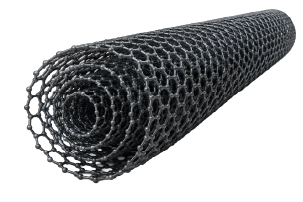
Carbon Nano Tube
CNT
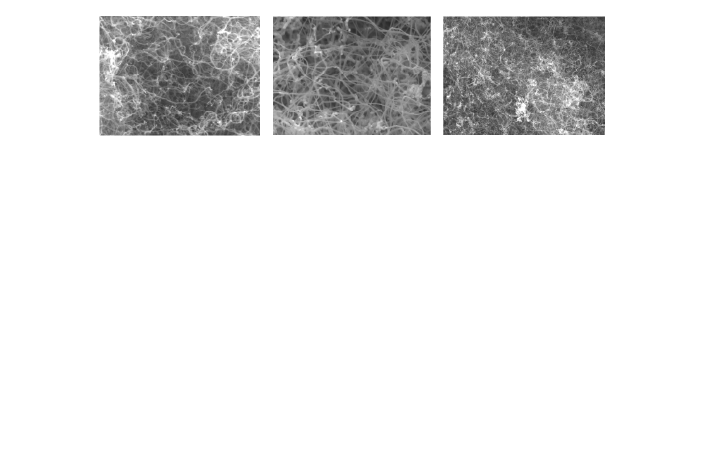
CNT
CNT
Target Technology (Feasibility)
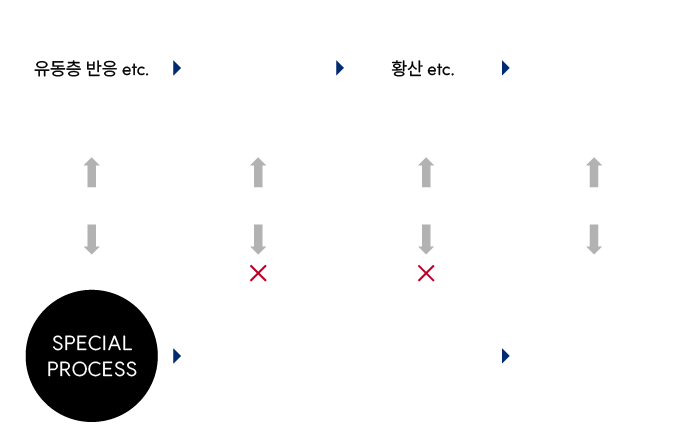
- A sodium chloride solution is applied within the solution to form nanoparticles, which are then
sprayed into a high-temperature thermal treatment reactor and grown into continuous MWCNTs
The absence of transition metals provides stability against explosion and fire - An innovative process that overcomes the key drawbacks of the fluidized bed reaction, currently the main mass-production method, namely the costly reducing agent
and the high-cost batch (non-continuous) manufacturing process required for support loading and removal
Delivers superior performance with low damage to the product
CNT
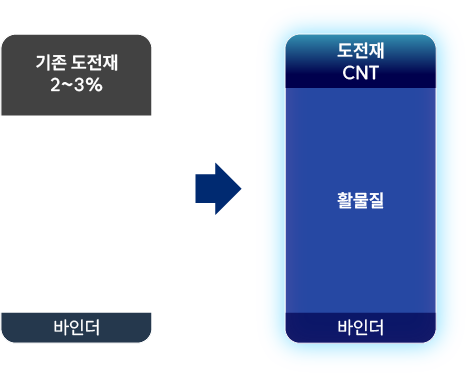
- Active material amount ↑, battery capacity ↑
- 5x the energy density and 10%+ higher conductivity compared to carbon black
- Reduced battery charging time